PLANNING FOR DIVERSITY IN THE CLASSROOM
DOI:
https://doi.org/10.63330/aurumpub.074-058Keywords:
Diversity, Equity, Inclusive education, Pedagogical planning, Teaching practicesAbstract
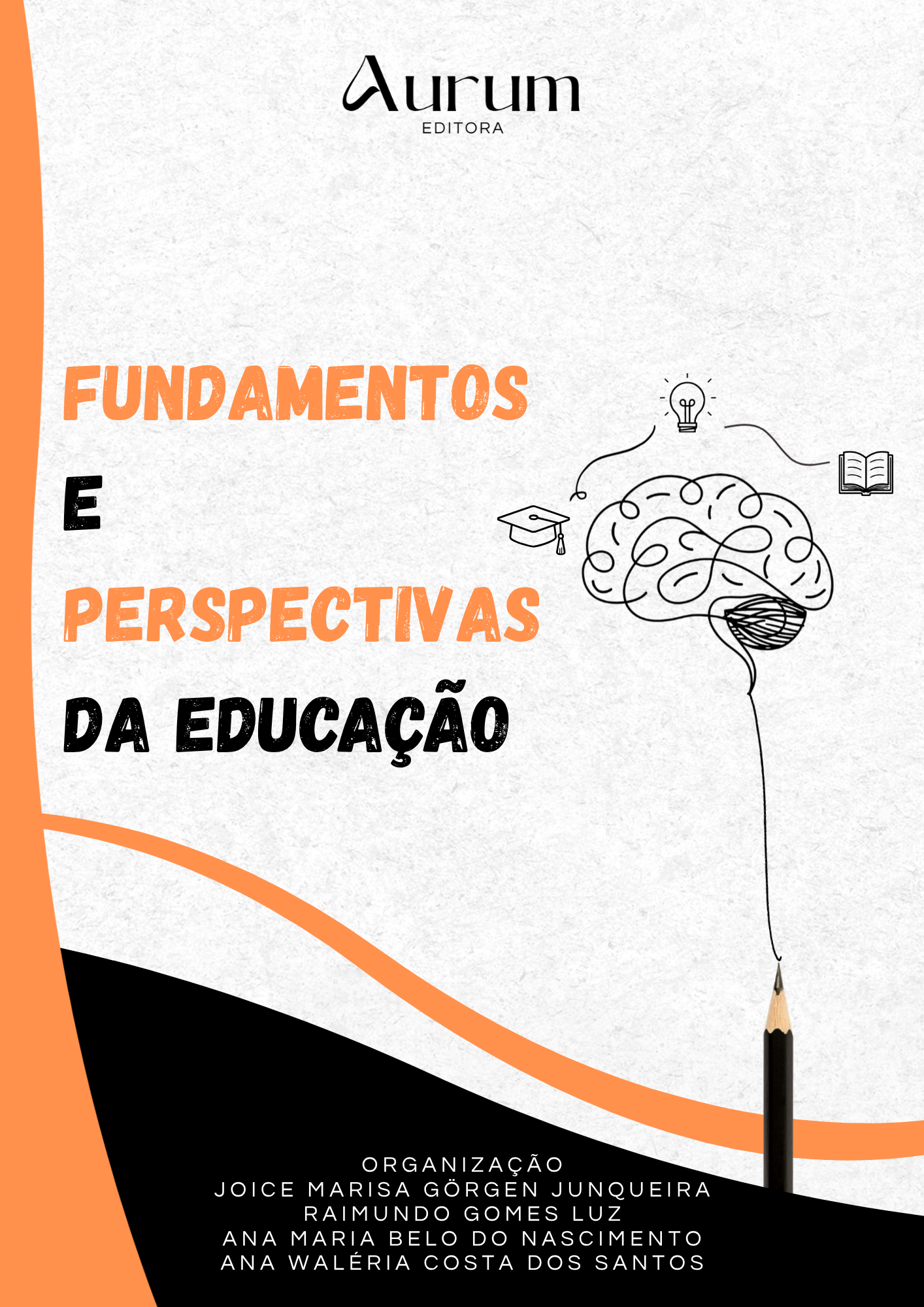
This chapter aims to discuss pedagogical planning as a fundamental element in the development of inclusive educational practices capable of recognizing and addressing diversity in Basic Education classrooms. It assumes that students have different learning paces, needs, experiences, learning conditions, and forms of participation, requiring strategies that go beyond standardized teaching. Through qualitative bibliographic and documentary research grounded in studies on inclusive education, equity, differentiated instruction, and Universal Design for Learning (UDL), the chapter examines how intentional and flexible planning can help remove barriers to learning. The discussion addresses curriculum organization, methodological diversification, accessible resources, teacher mediation, and formative assessment, while considering the challenges posed by heterogeneous classes and institutional working conditions. Planning for diversity does not imply designing a separate curriculum for every student; rather, it means providing different pathways to knowledge, participation, and development. Inclusive planning is thus understood as a pedagogical and institutional responsibility essential to a school committed to learning, equity, and the right to education for all.
Downloads
References
AINSCOW, Mel. Promoting inclusion and equity in education: lessons from international experiences. Nordic Journal of Studies in Educational Policy, v. 6, n. 1, p. 7-16, 2020. DOI: 10.1080/20020317.2020.1729587.
BOOTH, Tony; AINSCOW, Mel. Index for inclusion: developing learning and participation in schools. 3. ed. Bristol: Centre for Studies on Inclusive Education, 2011.
BRASIL. Constituição da República Federativa do Brasil de 1988. Brasília, DF: Presidência da República, 1988.
BRASIL. Lei nº 9.394, de 20 de dezembro de 1996. Estabelece as diretrizes e bases da educação nacional. Brasília, DF: Presidência da República, 1996.
BRASIL. Lei nº 13.146, de 6 de julho de 2015. Institui a Lei Brasileira de Inclusão da Pessoa com Deficiência (Estatuto da Pessoa com Deficiência). Brasília, DF: Presidência da República, 2015.
CANDAU, Vera Maria Ferrão. Diferenças culturais, interculturalidade e educação em direitos humanos. Educação & Sociedade, Campinas, v. 33, n. 118, p. 235-250, 2012. DOI: 10.1590/S0101-73302012000100015.
CAST. Universal Design for Learning Guidelines version 3.0. Lynnfield, MA: CAST, 2024. Disponível em: https://udlguidelines.cast.org/. Acesso em: 15 nov. 2026.
FREIRE, Paulo. Pedagogia da autonomia: saberes necessários à prática educativa. São Paulo: Paz e Terra, 1996.
GARCIA, Rosalba Maria Cardoso; MICHELS, Maria Helena. Educação e inclusão: equidade e aprendizagem como estratégias do capital. Educação & Realidade, Porto Alegre, v. 46, n. 3, e116974, 2021. DOI: 10.1590/2175-6236116974
HOFFMANN, Jussara. Avaliação mediadora: uma prática em construção da pré-escola à universidade. Porto Alegre: Mediação, 2014.
LIBÂNEO, José Carlos. Didática. São Paulo: Cortez, 1994.
LUCKESI, Cipriano Carlos. Avaliação da aprendizagem escolar: estudos e proposições. São Paulo: Cortez, 2011.
MANTOAN, Maria Teresa Eglér. Inclusão escolar: o que é? Por quê? Como fazer? São Paulo: Moderna, 2003.
NÓVOA, António. Professores: imagens do futuro presente. Lisboa: Educa, 2009.
PERRENOUD, Philippe. Pedagogia diferenciada: das intenções à ação. Porto Alegre: Artmed, 2000.
TARDIF, Maurice. Saberes docentes e formação profissional. Petrópolis: Vozes, 2014.
UNESCO. Global education monitoring report 2020: inclusion and education: all means all. Paris: UNESCO, 2020.
VYGOTSKY, Lev S. A formação social da mente. São Paulo: Martins Fontes, 2007.
ZABALA, Antoni. A prática educativa: como ensinar. Porto Alegre: Artmed, 1998.
Downloads
Published
Issue
Section
License

This work is licensed under a Creative Commons Attribution-NonCommercial-NoDerivatives 4.0 International License.