
EARLY CHILDHOOD EDUCATION AS A TERRITORY OF EXPERIENCES: INTERACTIONS AND PLAY
DOI:
https://doi.org/10.63330/aurumpub.028-045Keywords:
Early Childhood Education, Interactions, Play, BNCC, Child developmentAbstract
Early Childhood Education is the first stage of basic education and plays a fundamental role in the integral development of children. This paper aims to reflect on Early Childhood Education as a territory of experiences, emphasizing the centrality of interactions and play as structuring axes of pedagogical practice, as proposed by the Brazilian National Common Curricular Base (BNCC). Based on the conception of the child as a historical, social, and cultural subject, the study discusses learning and development rights and highlights that learning in early childhood occurs through relationships, play, and everyday experiences. Interactions are understood as essential for building bonds, communication, conflict resolution, and identity formation, while play is recognized as the primary language of childhood and a privileged form of learning. The role of the teacher as a mediator and organizer of experiences is also emphasized, responsible for planning environments, time, and materials that promote meaningful learning. It is concluded that valuing interactions and play contributes to a more humane, inclusive Early Childhood Education committed to children’s rights and the appreciation of childhood.
Downloads
References
BRASIL. Base Nacional Comum Curricular. Brasília: Ministério da Educação, 2017.
Pedagogia da autonomia. Pedagogia da autonomia: saberes necessários à prática educativa. São Paulo: Paz e Terra, 1996.
A formação social da mente. A formação social da mente. São Paulo: Martins Fontes, 2007
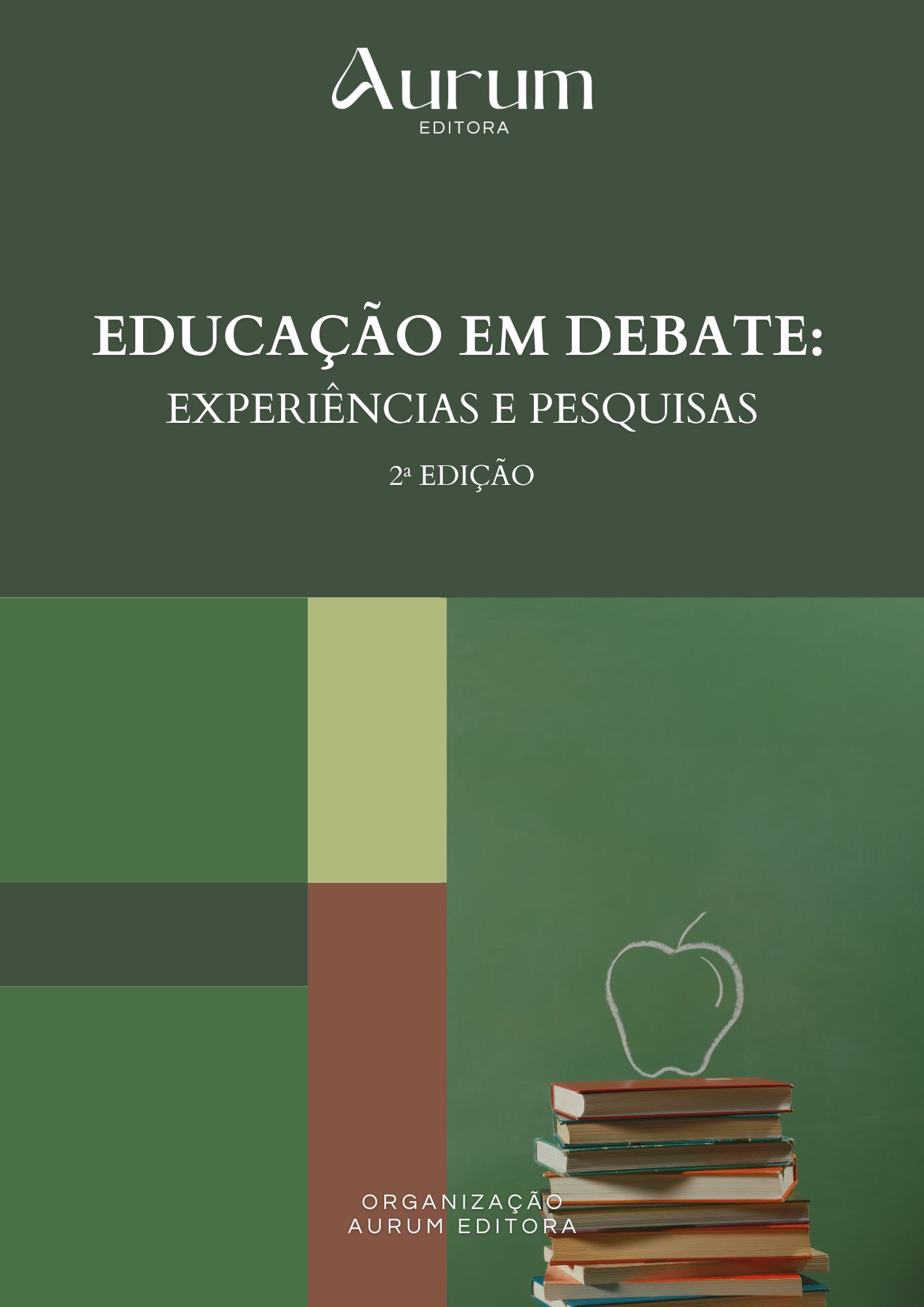
Downloads
Published
Issue
Section
License

This work is licensed under a Creative Commons Attribution-NonCommercial-NoDerivatives 4.0 International License.


